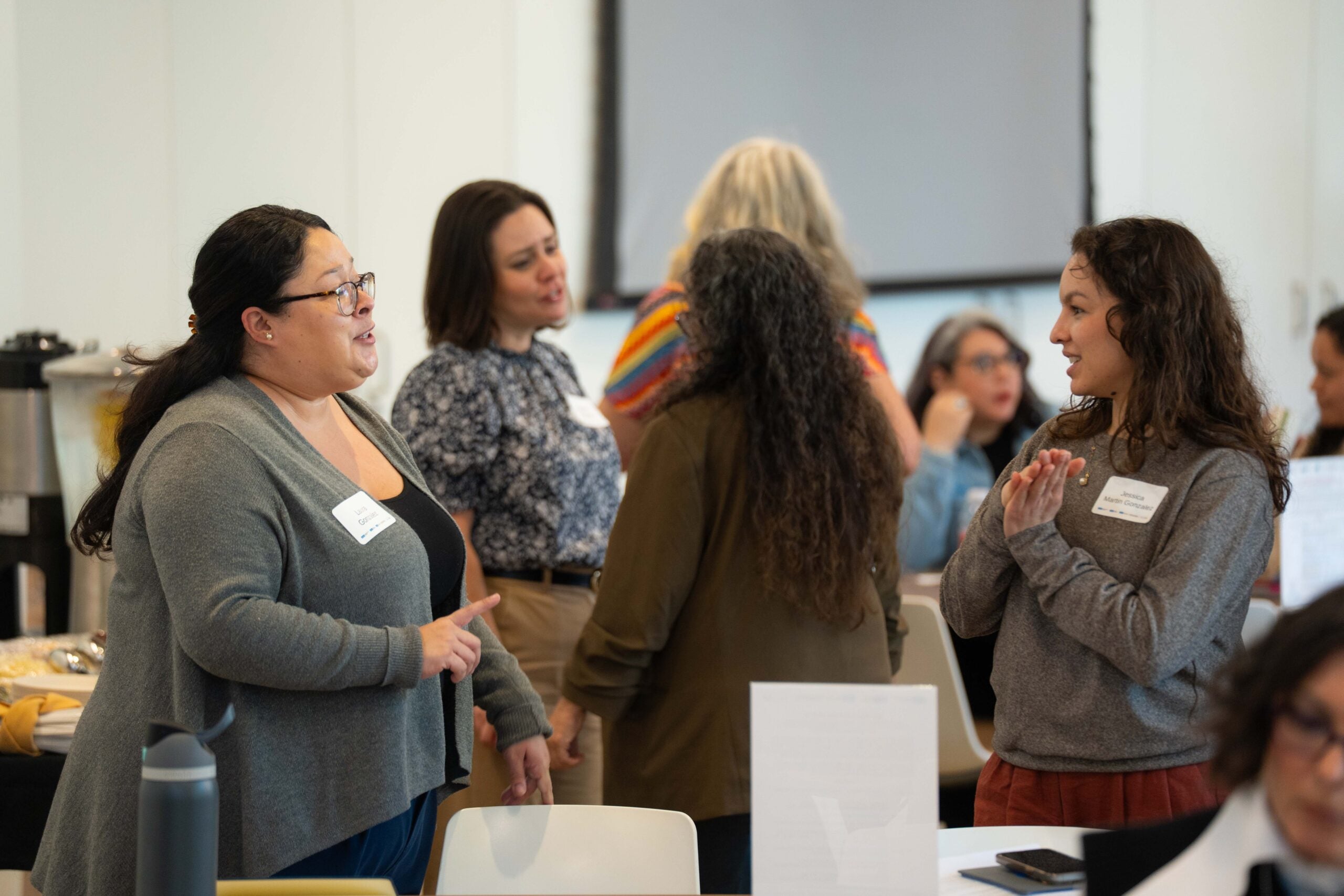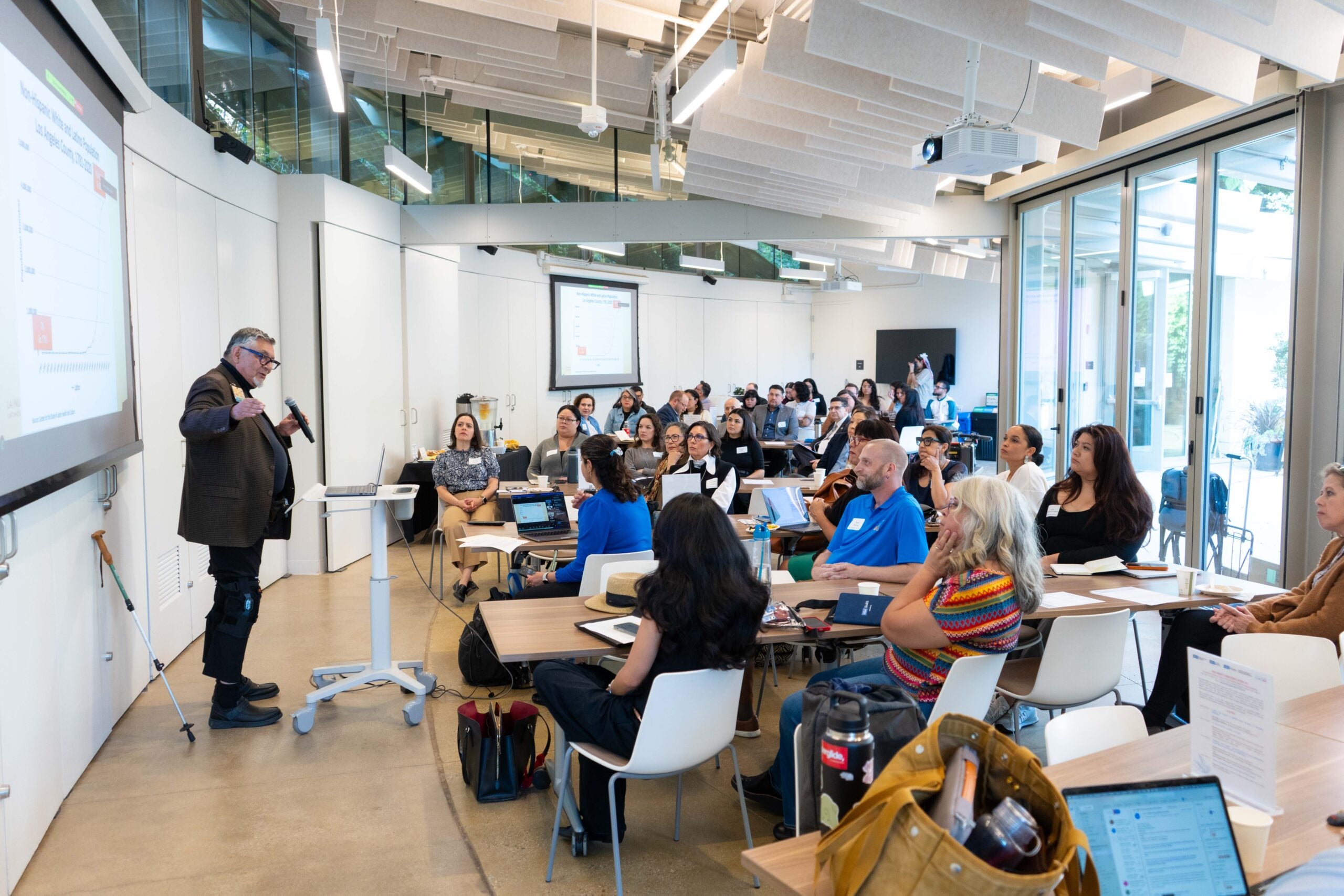
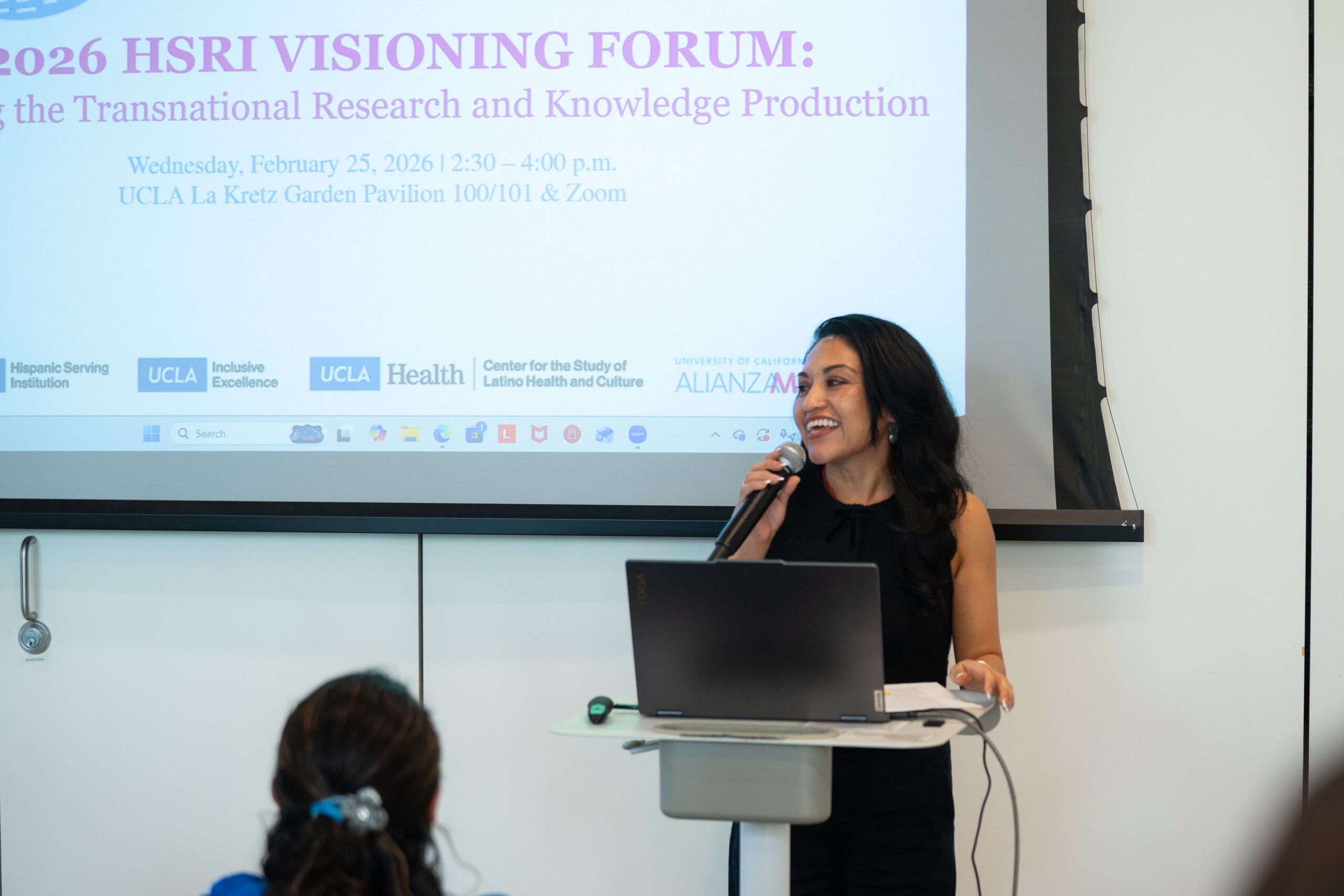
On February 25, 2026, the UCLA Hispanic-Serving Institution Initiative, Center for for the Study of Latino Health and Culture, UC Alianza México, and Office of Inclusive Excellence realized its forward-thinking event series: the 2026 Hispanic-Serving Research Institution (HSRI) Visioning Forum – Leading the Transnational Research and Knowledge Production.
Through thoughtful leadership and discussion, the HRSI Visioning Forum reflects on UCLA’s evolving role as an emerging Hispanic-Serving Research Institution and engages in collective visioning on how to advance new theories and methods with meaningful impact on communities and policy.
Overview
With a robust lineup of expert speakers and facilitated conversations, the gathering spotlighted transnational collaboration through UC Alianza México, including funding opportunities that support innovative, community-centered, and interdisciplinary research.

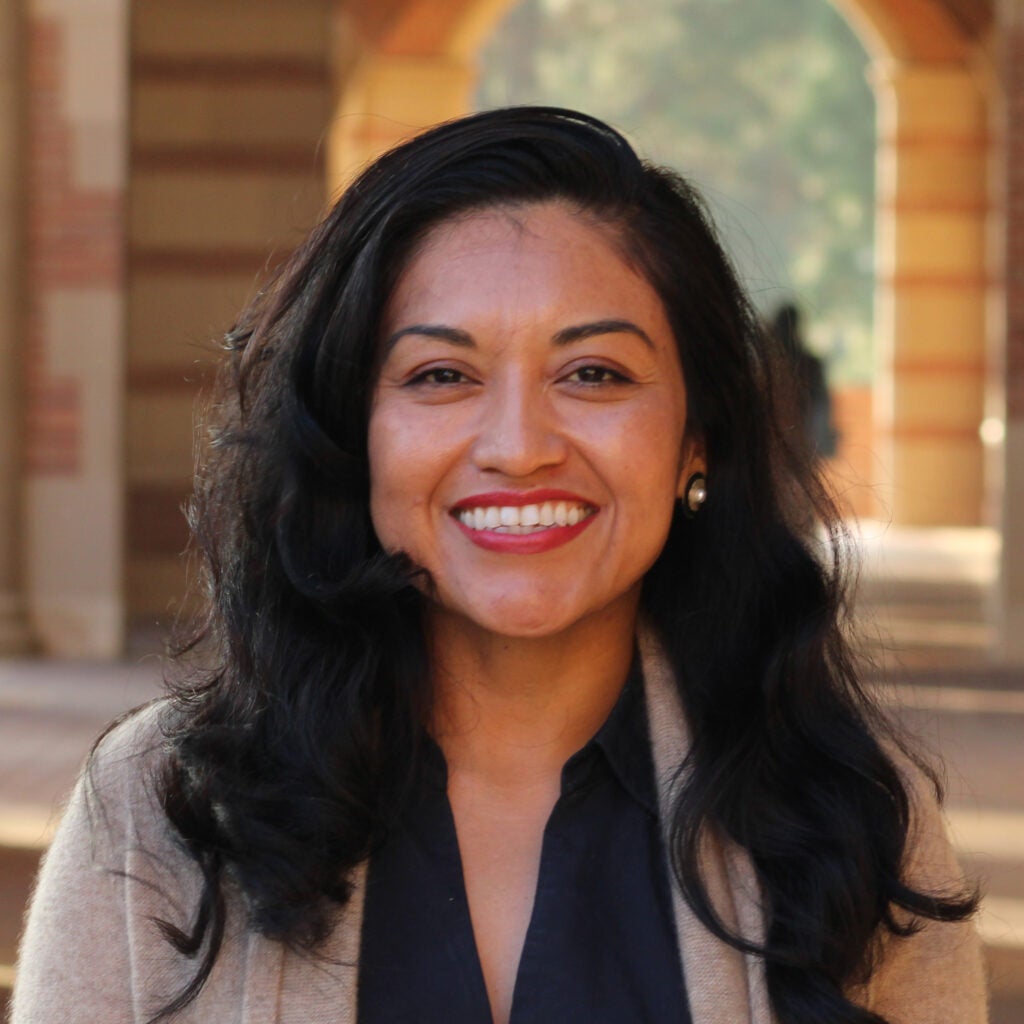
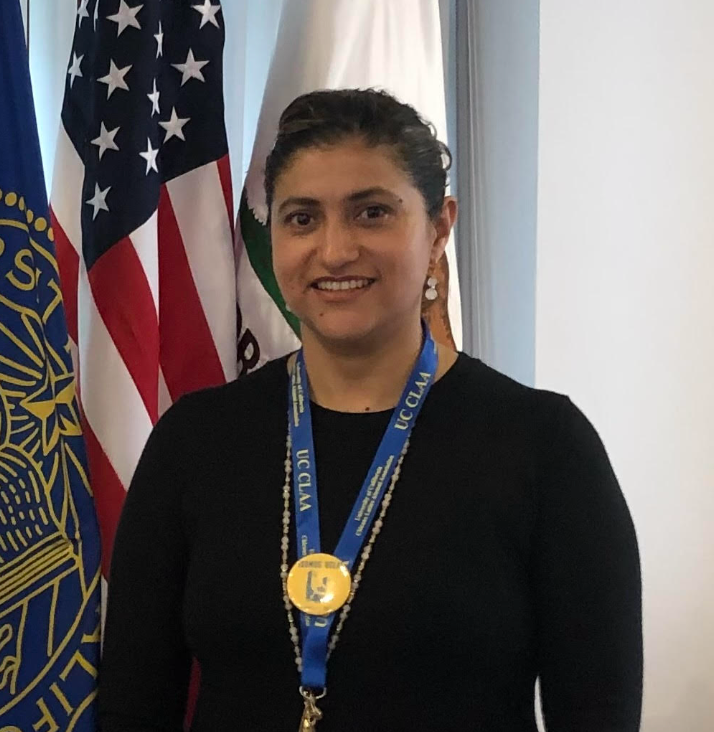
“The partnerships between the Office of Inclusive Excellence, HSI, and the UCLA Health Center for the Study of Latino Health and Culturehighlight the innovations that are created when we bridge academic silos, borders, and disciplines. Together we expand what is possible. UC Alianza de México’s mission—to advance binational scholarship, elevate community voices, and strengthen educational, health, and cultural exchanges—was reflected by those who attended the HSRI Visioning Forum. The Forum created a space for new collaborations that can expand our global impact!
Strengthening our UCLA-Mexico scholarship will ensure that future generations of scholars can imagine new theories and frameworks that strengthens multiple world views of what it means to be a Latino in Mexico and in the US. This scholarship can only be built in collaboration and shared purpose to transform UCLA and bridge diverse community.”
— Seira Santizo Greenwood
Director, UCLA Medical Preparation and Education Pipeline (MEDPEP) Program
UCLA Center for the Study of Latino Health and Culture
Participants
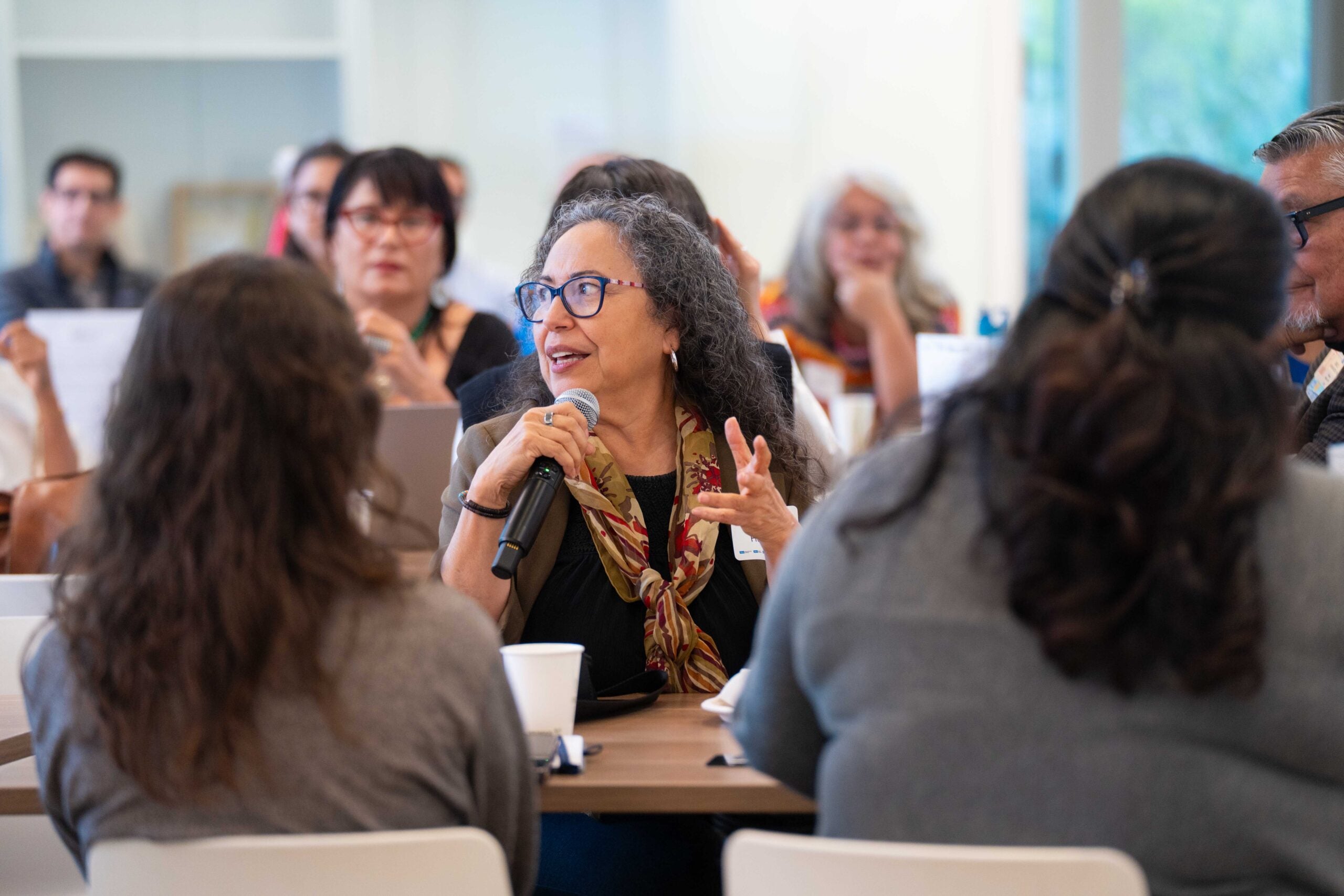
Shepherded by Doctor Elizabeth Gonzalez, the Director of the HSI Initiative, and Seira Santizo-Greenwood, the Director of the UCLA Medical Education Pipeline Program, along with invaluable support from campus and community partners including UC Alianza México, the event hosted spirited conversations and invigorating panels from the following expert speakers:
- Kyle Mays (Associate Vice Provost of Inclusive Excellence)
- David Hayes-Bautista (Distinguished Professor of Medicine, UCLA)
- Rodolfo H. Torres (Vice Chancellor for Research, Innovation, and Economic Development, UC Riverside)
- Aaron Melaas (Associate Director for Research & Innovation, UC Alianza México)
- Andrea Galvan Velez (Associate Director for Academic Exchange and Continuing Education, UC Alianza México)
- Daniela Cortez Bravo (Ph.D. Student, UCLA School of Education & Information Studies)
- Cesar Oyervides-Cisneros (Senior Administrator, UCLA Chicano/a Studies Research Center)
- Seira Santizo-Greenwood (Director, UCLA Medical Education Pipeline Program)
- Eduardo Garcia (Senior Advisor for Policy & Public Affairs, UCLA Latino Policy and Politics Institute)
With both the in-person gathering and complementary Zoom broadcast, the audience consisted of over 110 UCLA Faculty, Staff, Graduate Students, Postdoctoral Scholars, and Alumni across an array of disciplines.
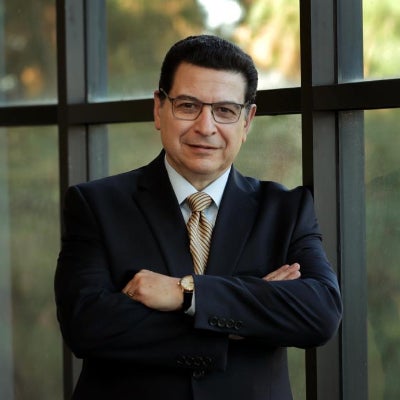
“As a systemwide Multicampus Research Unit (MRU) dedicated to collaboration with partners in Mexico, Alianza MX is deeply committed to supporting research and student mobility projects that serve communities on both sides of the border. As such, we were extremely pleased to join the recent HSRI Visioning Forum and experience the commitment of numerous faculty, students, staff, and leadership members at UCLA working to further establish the campus as a Hispanic-serving research institution. We strongly believe in the great potential UCLA has for engaging a wide range of binational stakeholders in UC’s interaction with Mexico, resulting in tremendous benefits for all involved. We look forward to seeing new proposals and projects emerge from this convening.“
— Rodolfo H. Torres
Vice Chancellor for Research, Innovation, and Economic Development, UC Riverside
Faculty Director, UC Alianza México
Takeaways
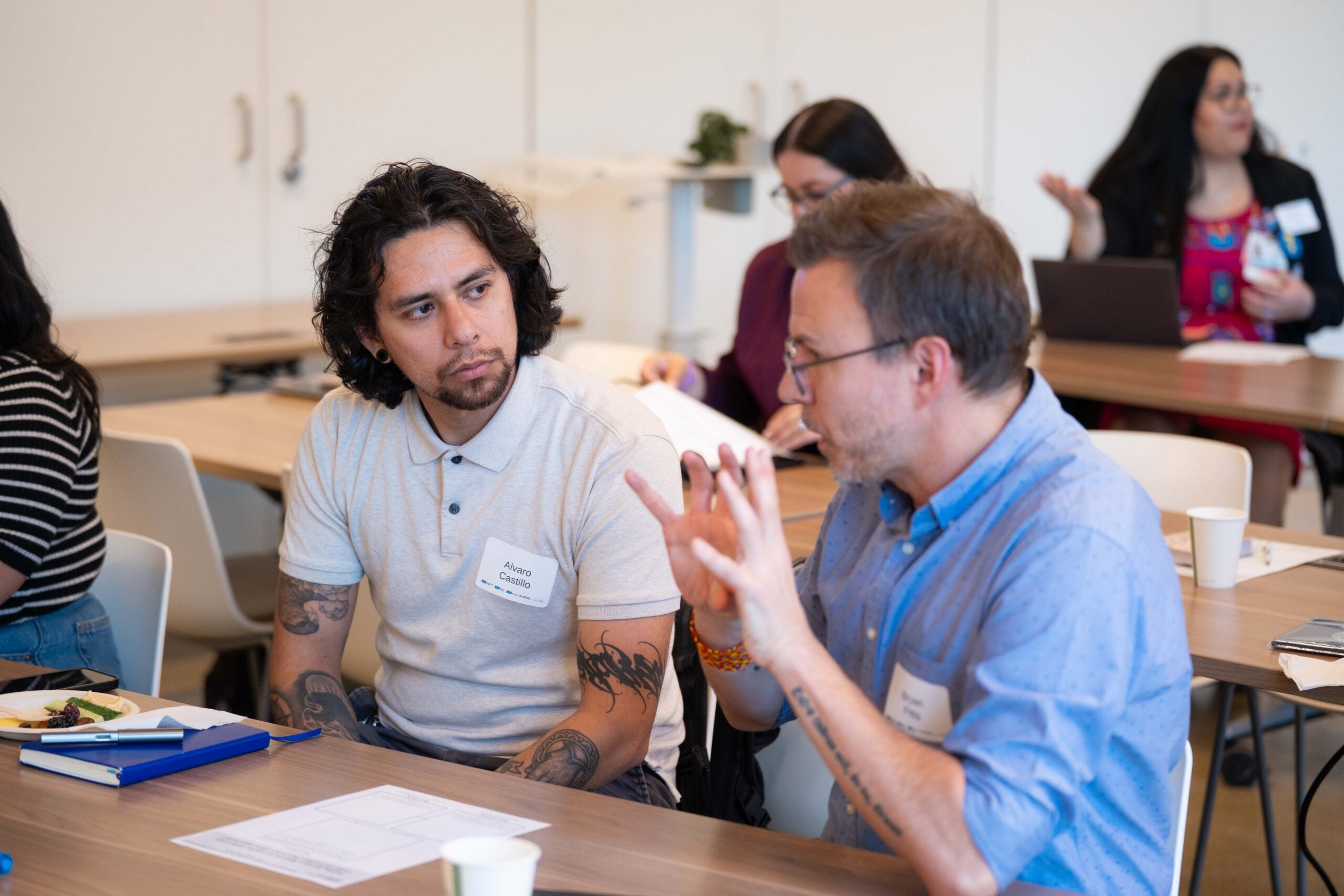
Through lively participation and group discussions, participants emphasized the importance of decolonizing knowledge, drawing from Chicana feminist frameworks, and returning to Indigenous ways of being and knowing. This involves expanding traditional definitions of research and affirming that knowledge is produced not only in academic spaces, but also through the lived experiences and expertise of elders, practitioners, organizers, and grassroots communities.
A central theme also emerged throughout the event: the need to shift from positioning Latinx communities as the subjects of research to recognizing them as producers of knowledge and narrators of their own stories. Attendees highlighted the importance of supporting the experiences of young scholars and first-generation researchers, while working toward a future in which Latinx-centered and community-engaged research is not viewed as marginal or exceptional — but as a normative and valued part of academic inquiry.
Participants further raised important questions about the structures that shape research dissemination and accountability. These included where this work is published, who its intended audiences are, who owns the findings, and what happens after data collection ends. There was broad agreement that research must not stop at publication or data extraction. Instead, it should include follow-up, reciprocity, and clear accountability to the communities involved. The general consensus was that findings should be shared back in accessible ways and that research should contribute to action, not simply analysis.
Overall, the discussion highlighted a shared commitment to broadening knowledge production at UCLA by centering Latinx experiences, affirming community expertise, and building research practices that are rigorous, reciprocal, and transformative.
“The HSRI Visioning Forum demonstrated that the UCLA community is deeply invested in developing our institutional identity as both an emerging Hispanic-Serving Institution and a research-intensive (R1) university. What I witnessed was a shared sense of purpose—one rooted in inclusive excellence and in reimagining how knowledge is produced, shared, and applied.
This work will require tequio—a collective labor and responsibility. We will continue to build on the strong foundation of centers and partnerships such as UC Alianza México, the UCLA Center for Mexican Studies, the UCLA Latin American Institute, Chicana/o Studies Research Center, the UCLA Center for Community Engagement, and many more.
Together we move this work forward—not as individual efforts, but as a collective commitment to advancing research that is rigorous, community-centered, and transformative.”
— Elizabeth Gonzalez
Director, Hispanic-Serving Institution (HSI) Initiative
UCLA Office of Inclusive Excellence